
If you live with both cats and dogs, you may have seen something unpleasant—your dog trying to eat cat poop from the litter box. This behavior often worries pet owners and leads to an important question: is cat poop toxic to dogs?
While cat poop isn’t poisonous in the traditional sense, it can pose health risks to dogs under certain conditions. Understanding why dogs are attracted to cat poop, what risks exist, and how to prevent problems can help protect your pets and keep your home healthier.
What Is in Cat Poop?
Cat poop contains waste products from digestion, along with bacteria and sometimes parasites. What’s inside depends on:
- The cat’s diet
- The cat’s health
- Litter box cleanliness
Most healthy cats pass waste without issue, but that doesn’t automatically make it safe for dogs.
Is Cat Poop Toxic to Dogs?
Cat poop is not chemically toxic, but it can be harmful if eaten by dogs.
The risks come from:
- Parasites
- Bacteria
- Litter material
- Repeated exposure
Occasional contact may not cause problems, but eating cat poop regularly can affect a dog’s health.
Why Do Dogs Eat Cat Poop?
This behavior is surprisingly common.
Dogs may eat cat poop because:
- It smells like food due to high protein content
- They are curious scavengers
- They are bored or anxious
- Cat food is richer than dog food
This behavior is instinct-driven, not a sign of bad training.
Health Risks of Cat Poop for Dogs
1. Parasites
One of the biggest concerns is parasites.
Cat poop may contain:
- Intestinal worms
- Protozoa
If ingested, these can infect dogs and cause digestive problems.
2. Bacterial Exposure
Cat poop can carry bacteria that may upset a dog’s stomach.
Possible effects include:
- Diarrhea
- Vomiting
- Lethargy
Healthy dogs may recover quickly, but sensitive dogs may struggle more.
3. Litter-Related Dangers
Cat poop often contains litter residue.
Some litter types can:
- Clump in the stomach
- Cause intestinal blockage
- Irritate the digestive tract
This risk increases if large amounts are eaten.
4. Repeated Ingestion Problems
Occasional exposure may not cause illness, but repeated behavior increases risk.
Long-term issues may include:
- Chronic digestive upset
- Nutrient imbalance
- Increased parasite risk
Symptoms to Watch for in Dogs
If a dog eats cat poop, watch closely.
Possible symptoms:
- Loose stool
- Vomiting
- Loss of appetite
- Fatigue
- Abdominal discomfort
Most mild cases resolve on their own, but symptoms that persist need attention.
Is Cat Poop More Dangerous for Puppies?
Yes. Puppies are more vulnerable because:
- Their immune systems are still developing
- They explore with their mouths
- They are more sensitive to parasites
Extra prevention is important with young dogs.
Can Cat Poop Make Dogs Seriously Ill?
Serious illness is uncommon but possible in certain situations, especially if:
- The cat carries parasites
- The dog has a weakened immune system
- Large amounts are eaten
Prompt hygiene and prevention greatly reduce risk.
Is Fresh Cat Poop Safer Than Old Cat Poop?
Fresh poop carries fewer bacteria, but it can still contain parasites.
Old poop:
- Smells stronger
- Grows more bacteria
- Attracts dogs more
Either way, it’s best kept out of reach.
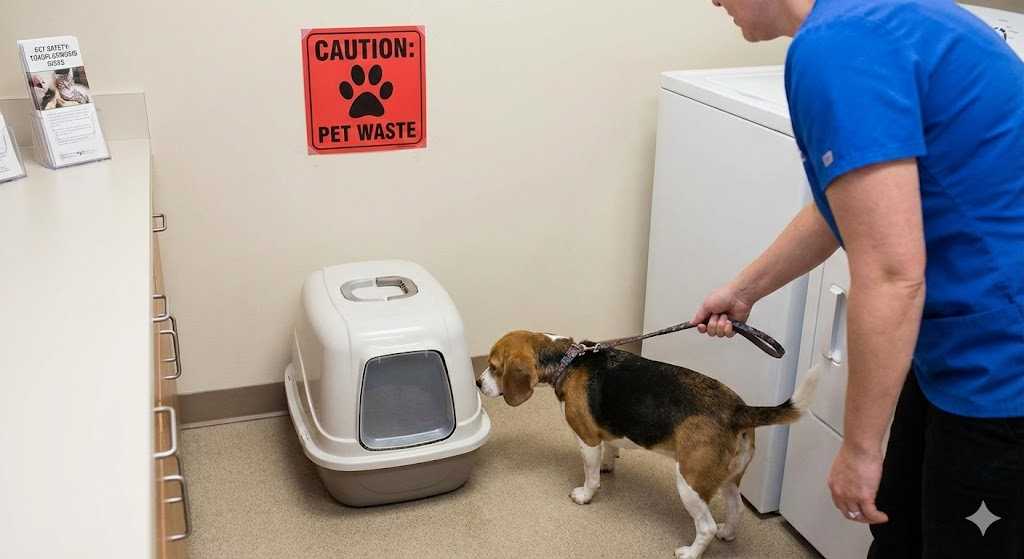
How to Stop Dogs from Eating Cat Poop
Prevention is the most effective solution.
Keep the Litter Box Inaccessible
Simple steps include:
- Using covered litter boxes
- Placing boxes in elevated areas
- Blocking access with baby gates
Clean the Litter Box Regularly
Frequent cleaning reduces odor and temptation.
Recommended:
- Scoop daily
- Dispose of waste promptly
Provide Proper Dog Nutrition
Dogs may seek cat poop if they feel unsatisfied.
Make sure your dog:
- Eats balanced meals
- Gets enough calories
- Has regular feeding times
Increase Mental and Physical Stimulation
Bored dogs explore more.
Helpful activities:
- Daily walks
- Interactive toys
- Training games
Is Cat Poop Dangerous to Humans Through Dogs?
Indirectly, yes—poor hygiene can spread bacteria.
To reduce risk:
- Wash hands after cleaning litter
- Clean dog mouths if exposure happens
- Keep pet areas clean
Good hygiene protects everyone.
Should You Be Worried if Your Dog Ate Cat Poop Once?
In most cases, no.
One-time exposure usually:
- Causes no symptoms
- Resolves naturally
Monitor your dog and ensure clean water access.
When Should You Seek Help?
Consider professional advice if:
- Symptoms last more than a day
- Your dog seems weak or lethargic
- Vomiting or diarrhea is severe
Early attention prevents complications.
Common Myths About Cat Poop and Dogs
Let’s clear up confusion.
- Myth: Cat poop is deadly to dogs
Truth: It’s risky, not deadly in most cases - Myth: Dogs eat cat poop because they’re sick
Truth: It’s often curiosity or attraction to smell - Myth: All dogs get sick from it
Truth: Many dogs show no symptoms
How to Maintain a Safe Multi-Pet Home
Living with cats and dogs is safe with good habits.
Focus on:
- Clean litter boxes
- Supervised pet interaction
- Consistent routines
- Proper hygiene
These steps protect both pets.
Read Also : Is Cat Urine Toxic to Humans
Frequently Asked Questions
Is cat poop toxic to dogs if eaten?
It’s not poisonous, but it can cause health problems.
Can dogs get worms from cat poop?
Yes, parasites can be transmitted in some cases.
Why is cat poop so tempting to dogs?
It smells like food due to high protein content.
Does cat litter make it worse?
Yes, litter can cause digestive issues or blockages.
Should I punish my dog for this behavior?
No. Prevention and redirection work better than punishment.
Conclusion
So, is cat poop toxic to dogs? While it isn’t toxic like a poison, it can still be harmful due to parasites, bacteria, and litter materials. Occasional exposure is usually not serious, but repeated behavior increases health risks.
By keeping litter boxes clean and inaccessible, meeting your dog’s nutritional needs, and maintaining good hygiene, you can safely manage a home with both cats and dogs—without stress or worry.
