
If you’ve ever walked into a room with a strong cat pee smell, you may have wondered whether breathing it in is actually dangerous. This concern is especially common for people who live with cats in small spaces or struggle with recurring litter box odors.
So, is cat pee toxic to breathe? While cat pee is not poisonous in the way chemicals are, the fumes and particles released into the air can affect health—especially when exposure is frequent or prolonged.
This article explains what’s really happening in the air, who may be affected, possible symptoms, and how to reduce risks in a safe, practical way.
What Is Cat Pee Made Of?
Cat pee is a mixture of:
- Water
- Urea
- Uric acid
- Ammonia-producing compounds
When cat pee sits for a period of time, bacteria break down urea and release ammonia gas, which is responsible for the sharp, eye-burning smell.
Is Cat Pee Toxic to Breathe?
Cat pee itself is not toxic like a chemical poison, but breathing in strong or lingering cat pee fumes can irritate the body.
The main concern is ammonia, which can affect:
- The nose
- The throat
- The lungs
- The eyes
Low-level exposure may cause mild irritation, while repeated or intense exposure can lead to more noticeable symptoms.
Why Cat Pee Smell Can Affect the Air
When cat pee dries or builds up:
- Ammonia gas is released
- Microscopic particles linger
- Odors become trapped in carpets, furniture, and walls
Poor ventilation makes the problem worse, allowing fumes to stay in the air longer.
Common Symptoms from Breathing Cat Pee Fumes
People exposed to strong cat pee odors may experience:
- Burning sensation in the nose
- Watery or irritated eyes
- Headaches
- Coughing
- Throat irritation
- Shortness of breath
Symptoms often worsen in enclosed spaces.
Who Is Most Sensitive to Cat Pee Fumes?
Some individuals are more affected than others.
Higher-risk groups include:
- Children
- Older adults
- People with asthma
- Individuals with allergies
- People with respiratory conditions
For these groups, even moderate odors can trigger discomfort.
Can Cat Pee Fumes Cause Long-Term Health Issues?
Occasional exposure usually does not cause long-term harm. However, ongoing exposure to strong odors can contribute to:
- Chronic nasal irritation
- Worsening asthma symptoms
- Persistent coughing
- Sinus discomfort
Maintaining clean indoor air is important for overall well-being.
Is Breathing Dried Cat Pee Worse Than Fresh Pee?
Yes, dried cat pee often smells stronger.
As it dries:
- Ammonia concentration increases
- Odor becomes more airborne
- Smell is harder to remove
This makes dried pee more irritating to breathe over time.
Does Cat Pee Smell Mean the Air Is Unsafe?
A strong smell is a warning sign, but it doesn’t automatically mean the air is dangerous.
Factors that matter include:
- Size of the space
- Ventilation
- Amount of buildup
- Duration of exposure
A brief smell is different from constant exposure.
Can Cat Pee Trigger Allergies?
Cat pee itself does not cause allergies, but:
- It can worsen existing allergies
- It may irritate nasal passages
- It can combine with dust and dander
This combination may increase respiratory discomfort.
Is Cat Pee Smell Harmful to Babies?
Babies are more sensitive because:
- Their lungs are still developing
- They breathe more rapidly
- They spend more time close to floors
Strong odors should always be avoided in areas where infants sleep or play.
Can Cat Pee Fumes Affect Sleep?
Yes.
Strong odors can:
- Cause headaches
- Make breathing uncomfortable
- Disrupt sleep quality
Poor air quality can lead to fatigue over time.
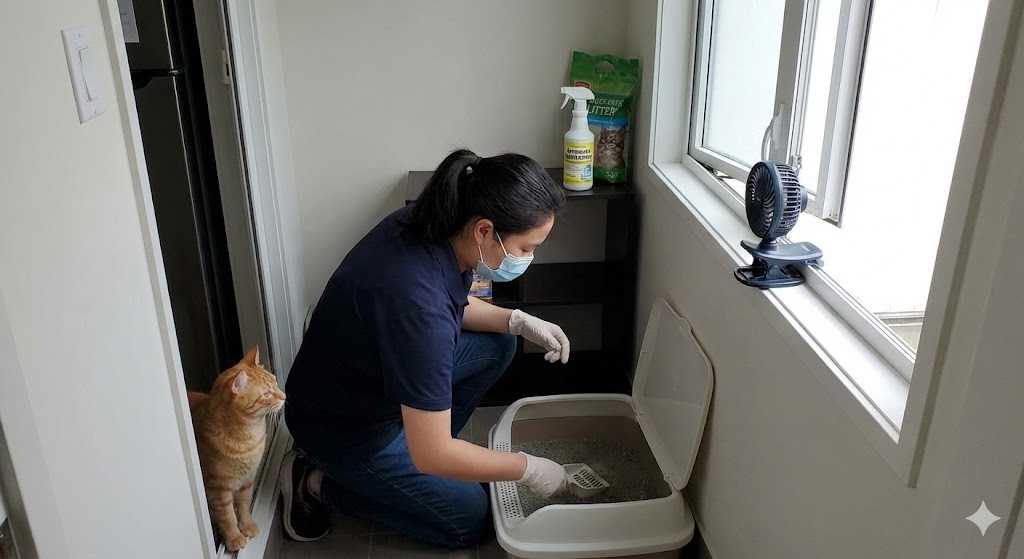
Does Cat Pee Smell Mean Mold or Bacteria Is Present?
Sometimes.
Old pee spots can:
- Trap moisture
- Encourage bacterial growth
- Create persistent odors
Cleaning thoroughly reduces both odor and microbial buildup.
Can Wearing a Mask Help?
A basic mask may reduce odor slightly but:
- It does not fully block ammonia
- Ventilation and cleaning work better
Masks are only a temporary solution.
How to Reduce Cat Pee Fumes Indoors
The best approach is prevention and proper cleaning.
Clean Accidents Immediately
Fresh pee is easier to remove and produces less odor.
- Blot the area
- Use proper cleaning solutions
- Avoid products that mask smell only
Improve Ventilation
Fresh air helps dilute fumes.
- Open windows
- Use fans
- Improve airflow in litter areas
Maintain the Litter Box
A clean litter box reduces odor significantly.
- Scoop daily
- Change litter regularly
- Wash the box periodically
Choose the Right Litter
Some litters trap odor better than others.
Look for:
- Odor-absorbing properties
- Low dust
- Proper moisture control
Why Cats Pee Outside the Litter Box
Understanding the cause helps prevent odor buildup.
Common reasons include:
- Stress
- Dirty litter box
- Medical issues
- Territorial behavior
Addressing the cause reduces repeated exposure.
Can Cat Pee Odor Spread Through the Home?
Yes.
Odor particles can:
- Travel through air vents
- Stick to fabrics
- Settle into carpets
Early cleanup prevents widespread contamination.
Is It Safe to Live in a Home with Lingering Cat Pee Smell?
Mild, occasional odors are common in pet homes. However:
- Persistent strong smells should be addressed
- Air quality matters for long-term comfort
A clean environment benefits both humans and cats.
How Long Does Cat Pee Smell Stay in the Air?
This depends on:
- Ventilation
- Surface type
- Cleaning method
Without proper cleaning, odors can linger for weeks or longer.
Can Cat Pee Fumes Affect Pets Too?
Yes.
Other pets may experience:
- Stress
- Respiratory irritation
- Behavioral changes
Maintaining clean air benefits all animals in the home.
When Should You Be Concerned?
Pay attention if:
- Odor is strong and constant
- You experience breathing discomfort
- Children or elderly show symptoms
These signs indicate a need for action.
Common Myths About Cat Pee Fumes
Myth: Cat pee fumes are harmless
Truth: They can irritate lungs and airways.
Myth: Only dirty homes smell
Truth: Even clean homes can have odor if accidents occur.
Myth: Air fresheners solve the problem
Truth: They often mask smell without removing fumes.
How to Keep Indoor Air Healthy with Cats
Healthy habits make a big difference.
Focus on:
- Clean litter boxes
- Immediate accident cleanup
- Good airflow
- Regular home cleaning
These steps reduce odor and protect health.
Read Also : Is Cat Saliva Toxic to Rabbits
Frequently Asked Questions
Is cat pee toxic to breathe?
It is not poisonous, but fumes can irritate airways.
Can cat pee fumes make you sick?
They can cause discomfort, headaches, and breathing irritation.
Is ammonia from cat pee dangerous?
High levels can irritate lungs, especially with prolonged exposure.
Can cat pee smell cause long-term damage?
Not usually, but chronic exposure may worsen respiratory issues.
How can I protect my family?
Clean promptly, ventilate well, and manage litter hygiene.
Conclusion
So, is cat pee toxic to breathe? While it isn’t toxic in the traditional sense, breathing strong or persistent cat pee fumes can irritate the respiratory system and affect comfort—especially for sensitive individuals.
The good news is that with proper cleaning, good ventilation, and consistent litter box care, these risks can be minimized. Keeping indoor air fresh protects not only your health, but also creates a more comfortable environment for your cat and everyone in your home.
